
Academic Profile of Professor Wang Zhili

Professor Wang Zhili holds a Doctor of Philosophy in Medicine from the Royal Postgraduate Medical School, University of London (now Imperial College London). He serves as a Member of the 11th and 12th National Committee of the Chinese People’s Political Consultative Conference, Vice Chairman of the China Medical Foundation, Deputy Director-General and Distinguished Expert of the 1st and 2nd Special Expert Committees of the All‑China Federation of Returned Overseas Chinese, Fellow of the Royal Society of Medicine, Member of The Endocrine Society of America, Visiting Professor in the Department of Metabolic Medicine at Imperial College London, and Director-General of the Diabetes Committee under the China Medical Foundation. He is also an Executive Director of the 1st and 2nd Endocrinology Branches of the Chinese Medical Doctor Association. In 1987, he obtained his Master’s degree in Clinical Endocrinology from Tianjin Medical College (now Tianjin Medical University). In 1995, he was awarded his Doctor of Philosophy in Medicine by the Royal Postgraduate Medical School, University of London (now Imperial College London).
Prior to 1990, Professor Wang presided over and completed four scientific research projects, all of which passed official appraisal. Among them, two achievements were recognized as national-level scientific research accomplishments by the State Science and Technology Commission and were officially certified, with Professor Wang as the primary principal investigator for all projects.
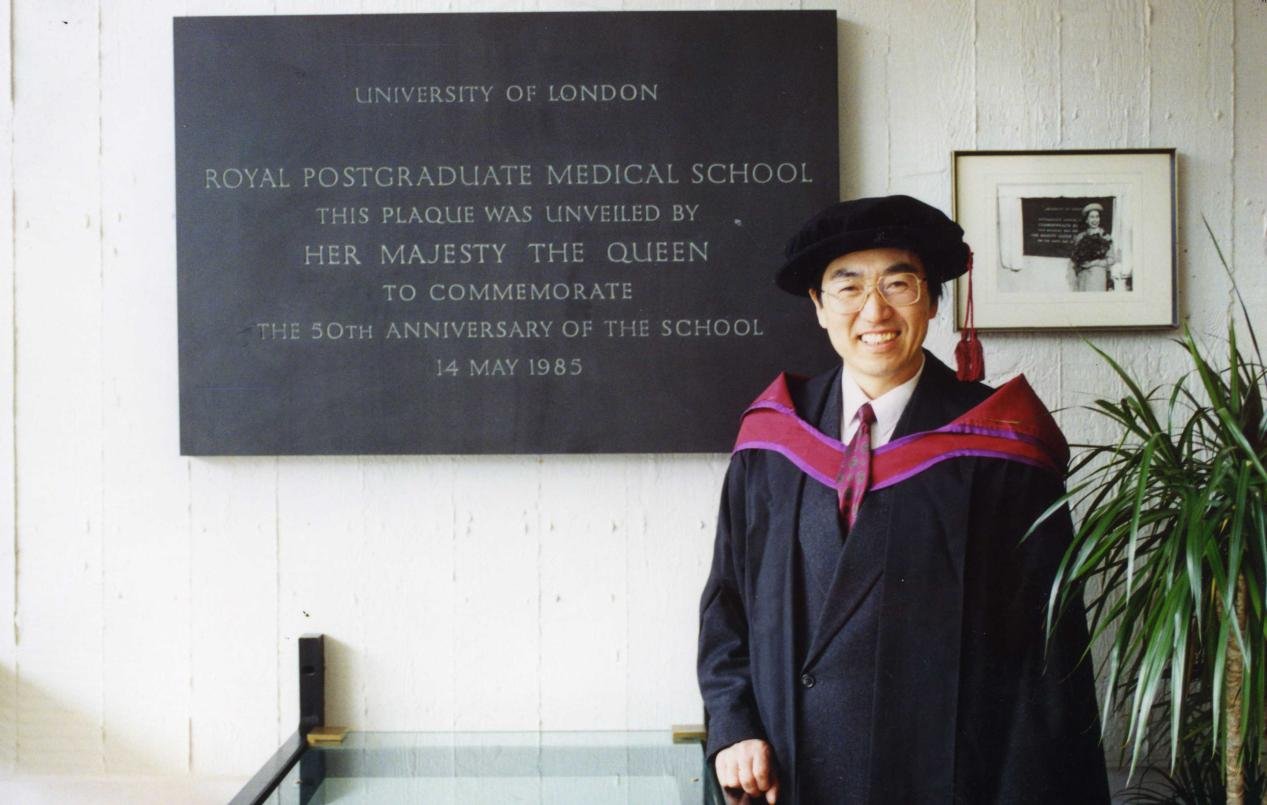
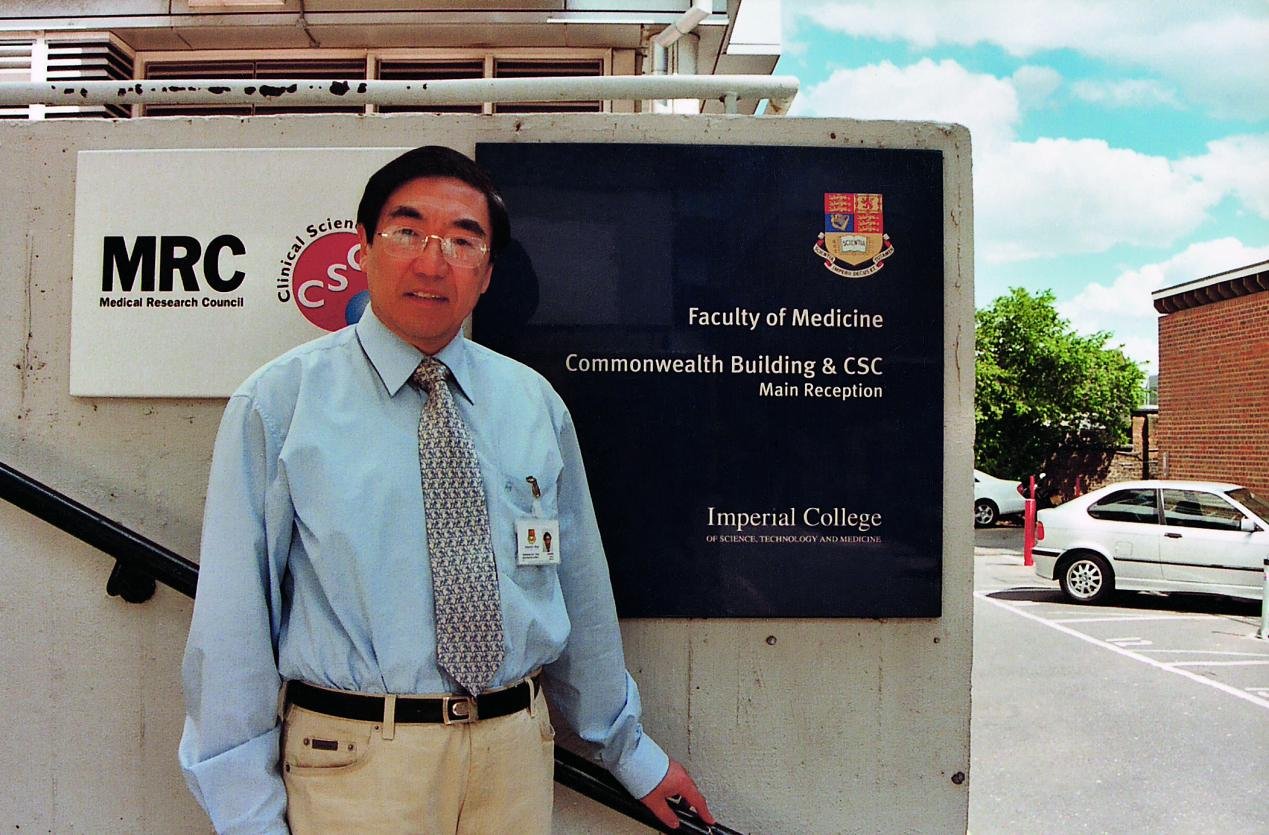
In 1990, he became a Research Fellow in the Department of Endocrinology and Metabolism at the Royal Postgraduate Medical School at the Hammersmith Hospital, London. In 1997 the Postgraduate Medical School became part of Imperial College London, UK. The Head of this Department is Professor Sir Steven Bloom, a distinguished endocrinologist and medical research worker. In 1995 Professor Zhili Wang was awarded the degree of PhD from the University of London for his work on the discovery of several endogenous intestinal peptides - the incretins- that regulate pancreatic islet function. These findings have been of great value in the development of new treatments for Type 2 diabetes and possibly for the gene treatment of diabetes. He expanded this work as a Post Doctoral Research Fellow in the Department in the following years. Professor Zhili Wang has published 38 papers in scientific journals, and spoken at many international conferences in US, UK and Europe on this work.
While working in London, Professor Zhili Wang found that endogenous glucagon- like peptide-1(GLP-1) can promote the secretion of insulin by the islet B cell which can significantly reduce blood glucose levels and that this peptide could be used to treat certain types of diabetes mellitus. An editorial in the prestigious US research journal, the Jounral of Clinical Investigation said: " Wang and co-workers from the group in London provide an important advance. The present study is an example of the fruits provided by advances in the fields of peptide chemistry and ligand-receptor interaction. We can look forward to more pieces of these puzzles falling into place in the near future".
At present, GLP-1 is being introduced into clinical practice in US, UK and Europe as a new approach to the treatment of Type 2 diabetes and represents a significant advance in our understanding of the diabetic process. Professor Zhili Wang and his co-workers in London have also discovered other novel endogenous peptides which help to regulate islet function and this continues to be an exciting area of research in diabetes mellitus.
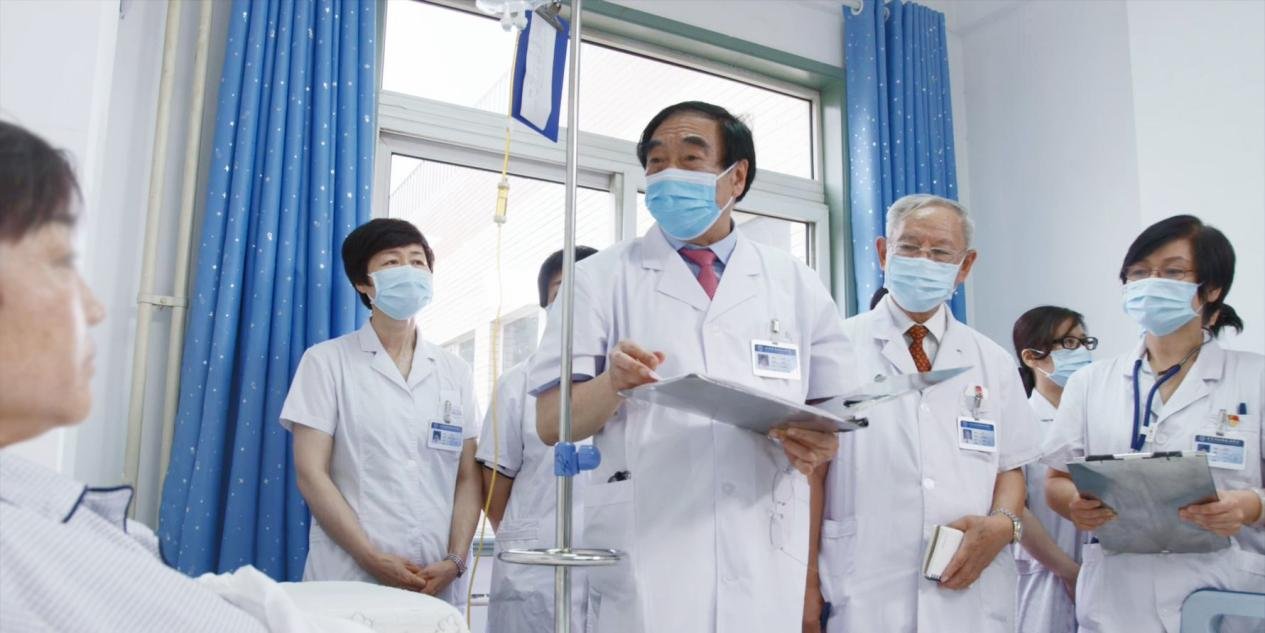
In July 2004, Professor Zhili Wang returned to China and founded the largest hospital in Asia dedicated to the care of diabetic patients- the Beijing Chaoyang Diabetes Hospital(BCDH). At BCDH he developed a novel appraoch to the care of Type 2 diabetic patients. Whereas traditional methods of treatment were based on attempts to stimulate the failing B cells to produce more insulin and thus increasing the rate of the deteriation of islet cell function, Professor Zhili Wang developed a regimen of therapy by which the β cell is protected from further damage and allowed to make a partial recovery. It was felt that an important factor in the mediation of β cell damage were the high blood glucose level seen in uncontrolled diabetes-so called “glucotoxicity”-and part of the new regimen attempts to overcome this.
Professor Zhili Wang called this regimen a “comprehensive therapy of pancreatic islet cell function”. The therapy is a combination of western style and traditional Chinese medicine. The aim is to reduce the high blood glucose levels in the diabetic patient to normal within 3-5 days and prolong these normal levels for 2-3 weeks thus reducing glucose toxicity as well as reducing the damage to islet cell microcirculation, enhancing the activity of insulin receptors in peripheral tissues and repairing the nerve fibres of the islet tissue which will result in the restoration of islet cell function and insulin production. As a result overall blood glucose control improves, reduces the progression of diabetic complications and improves the quality of life for diabetic patients.
In recognition of his outstanding academic achievements in diabetes research, high-tech industrialization contributions, and influential domestic and international academic reputation, Professor Wang has been repeatedly interviewed by major authoritative media outlets, including Xinhua News Agency, Phoenix Satellite TV (Europe), and China Central Television through programs such as News Broadcast, Figures of the Times, Approaching Science, World of Overseas Chinese, Oriental Horizon, and Health Road, as well as People’s Network, CCTV.com, and Xinhuanet. He has also been received on multiple occasions by national leaders of China.



糖尿病常识